
Identify the conditions behind common weeds so your lawn care plan improves the turf instead of chasing symptoms.
Read the pattern, not just the plant
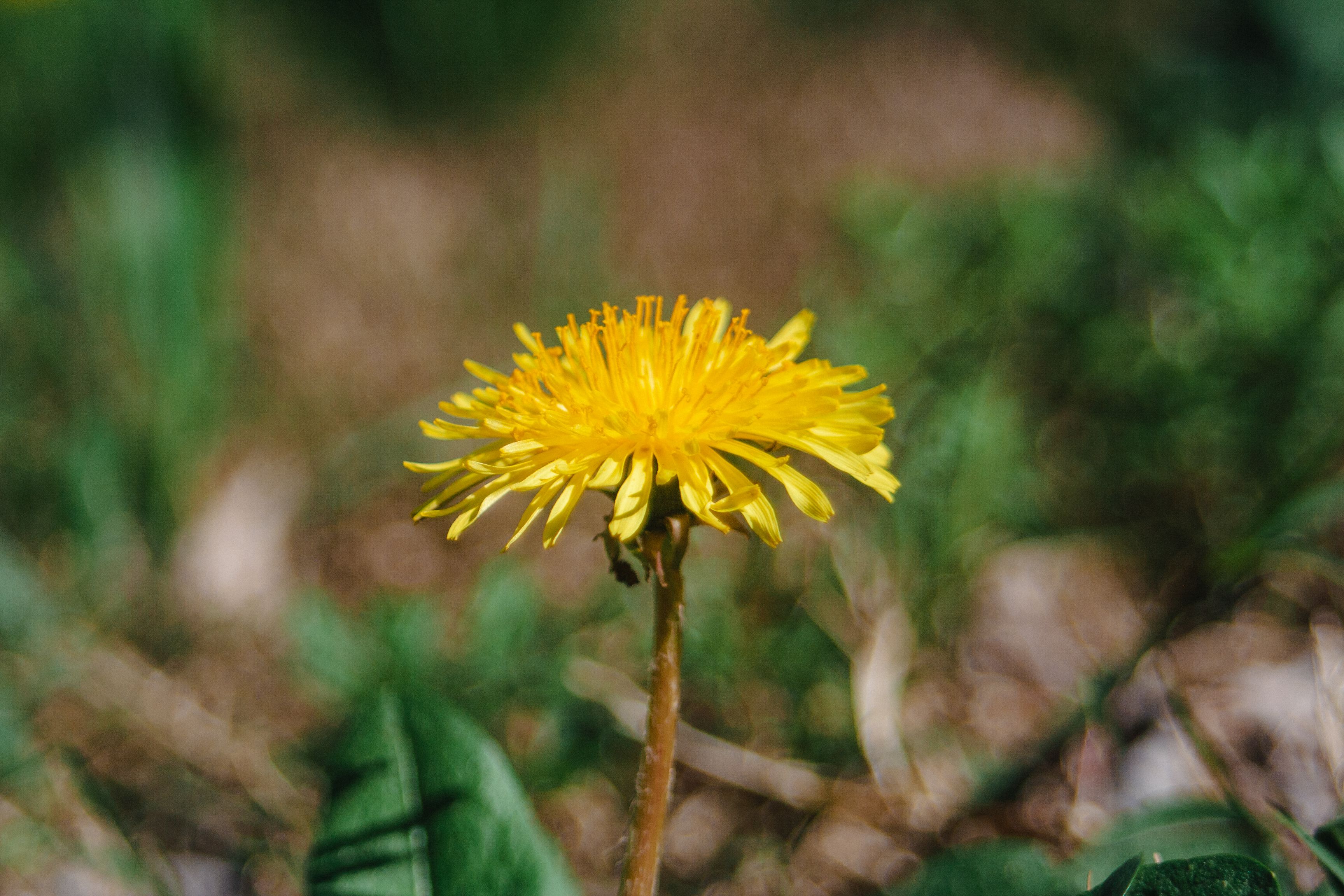
A weed is often a clue about the site. Dandelions may appear where soil is thin or disturbed, while crabgrass takes advantage of bare, warm soil and weak competition. Clover can be more common in low-nitrogen areas, and plantain often tolerates compacted ground. Identification matters because removing the visible plant without correcting the condition leaves the same opening available for another weed.
Walk the property at different times of day and note where weeds repeat. Is the area shaded, wet, walked on, or cut shorter than the rest? Does water collect there after storms? Those observations create a more useful plan than treating every green plant as the same problem. A healthy, dense lawn is the long-term defense because it leaves less space for weed seeds to establish.
Build competition with good basics
Correct mowing height is one of the simplest weed-management tools. Taller, vigorous grass shades the soil and develops a root system that competes for water and nutrients. Mowing too low weakens that advantage. A sharp blade, regular visits, and clippings distributed evenly all support a more consistent stand without requiring dramatic intervention.
Water deeply when needed, improve compacted areas, and address bare patches at the right time for the grass type. Beds should have clear boundaries so weeds are easier to see and remove. Keep mulch at a sensible depth and away from trunks. These steps are not instant cures, but they make the property less hospitable to the weeds that return every year.
Know when to ask for help
Some weeds are easy to identify and hand-pull when the soil is moist. Others spread through roots or appear across a large area, where repeated DIY treatments can become expensive and frustrating. Before using any product, read its label, protect pollinators and nearby plants, and follow local requirements. Never apply a treatment simply because a neighbor used it successfully; conditions and grass species differ.
A lawn professional can help distinguish a weed issue from disease, insect damage, or drought stress. The best recommendation may be a change in mowing, cleanup, or soil management rather than a chemical application. Solving the underlying condition gives the lawn a better chance to stay thick and attractive through the entire season.