
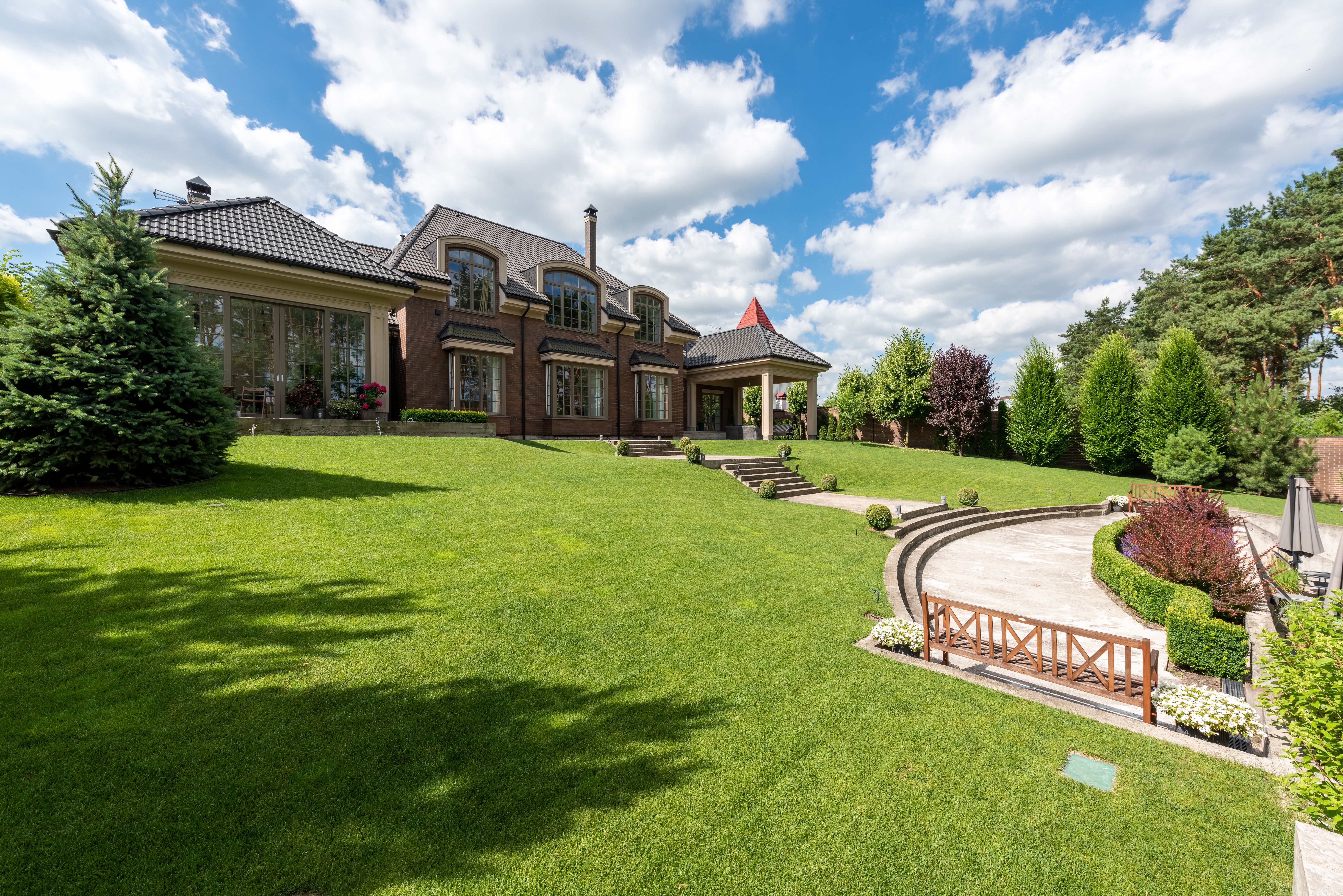
For offices, storefronts, and rental properties, an orderly exterior communicates care before anyone opens the door.
The property speaks first
Customers and tenants notice the exterior before they read a sign or meet a team member. Uneven grass, overgrown beds, and clippings across the entrance suggest that details may be overlooked inside as well. A maintained landscape does not need to be elaborate. It needs to be consistent, accessible, and appropriate for the property. Clear edges and healthy turf create a visual path toward the front door.
Commercial properties also have practical demands that residential lawns may not. Crews must work around parking, deliveries, employees, visitors, and business hours. A route plan should identify safe equipment access, pedestrian crossings, gate codes, and areas where clippings cannot be left. Communication is part of the service because an attractive property is only successful when the work fits the operation.
Build a predictable maintenance plan
A recurring plan can combine mowing, trimming, edging, blow-down, bed care, and seasonal cleanup. The frequency should follow growth and traffic rather than a generic calendar. High-visibility entries may need weekly attention, while low-traffic perimeter areas can sometimes follow a slower rhythm. The provider should document what is included and explain how weather changes the visit sequence.
Seasonal work deserves its own expectations. Spring growth may require bed cleanup and mulch refreshes, while fall brings leaf volume and storm debris. Planning those services before the busy period keeps the property from looking neglected during the exact weeks when customers are forming impressions. A single point of contact also reduces the chance that one contractor blames another for missed details.
Measure the result in reliability
The best commercial lawn program is easy for a property manager to understand. Visits happen on a known route, issues are communicated promptly, and the finished site is left safe and clean. Photos or brief service notes can help track areas that need improvement without creating unnecessary paperwork. When expectations are written down, a manager can evaluate the work by the same standard each time.
A well-maintained landscape supports the business without demanding attention from its staff. Employees do not need to move equipment, sweep sidewalks, or call repeatedly about missed visits. The lawn simply looks ready. That quiet reliability is the real value of a professional maintenance relationship.