
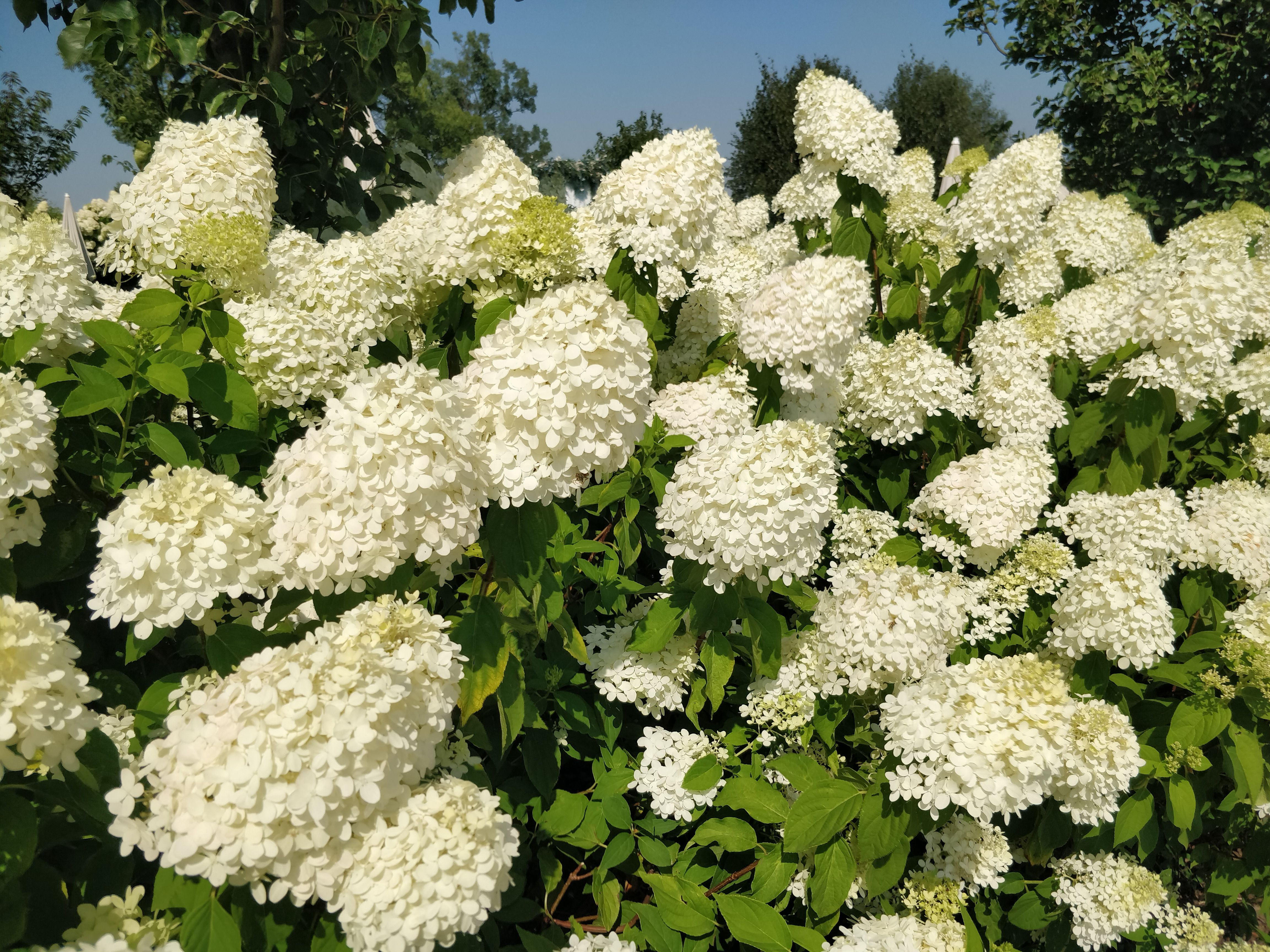
Good bed design balances color and structure with the mowing, watering, and access the property will need later.
Design from the property outward
A successful bed starts with the house, walks, windows, and lawn—not with a random list of plants. Observe the light during the day, note where water collects, and consider what the bed will look like from the street and from inside the home. A strong outline creates structure before any plant is chosen. It should leave enough room for mowing and allow a person to reach the foundation, spigot, or utility area when needed.
Use mature plant size as the planning measurement. A shrub that fits in a nursery container may eventually cover a window or push into a walkway. Repetition makes a small bed feel purposeful, while a few contrasting shapes add interest. The goal is a composition that can grow into its space rather than a crowded installation that requires constant correction.
Layer plants for all-season interest
Evergreen forms provide structure when perennials are dormant. Shrubs create middle height, and lower plants or mulch keep the soil surface from looking empty. Bloom time, foliage color, and winter shape can all contribute without filling every inch. Leave air movement around plants and avoid placing moisture-loving species in a dry, exposed location simply because the color is attractive.
Mulch should frame the plants rather than bury them. Keep it away from crowns and trunks, and refresh the layer only when it has thinned enough to need it. Too much mulch can hold excess moisture and conceal the base of a plant. A neat surface with visible spacing is easier to weed, water, and inspect.
Make maintenance part of the design
The bed should cooperate with the lawn route. A defined edge keeps mower wheels and trimmer lines away from plants, while a clear path prevents repeated foot traffic through the planting area. Choose plants that match the amount of care available. A low-maintenance design is not a neglected design; it is one that uses the right plants, spacing, and finish for the property.
Review the bed each season and make small corrections before they become a renovation. Remove dead material, guide branches away from paths, and watch for bare spots or erosion. When the original design has room to adapt, maintenance stays manageable and the landscape can become more attractive with age rather than less orderly.